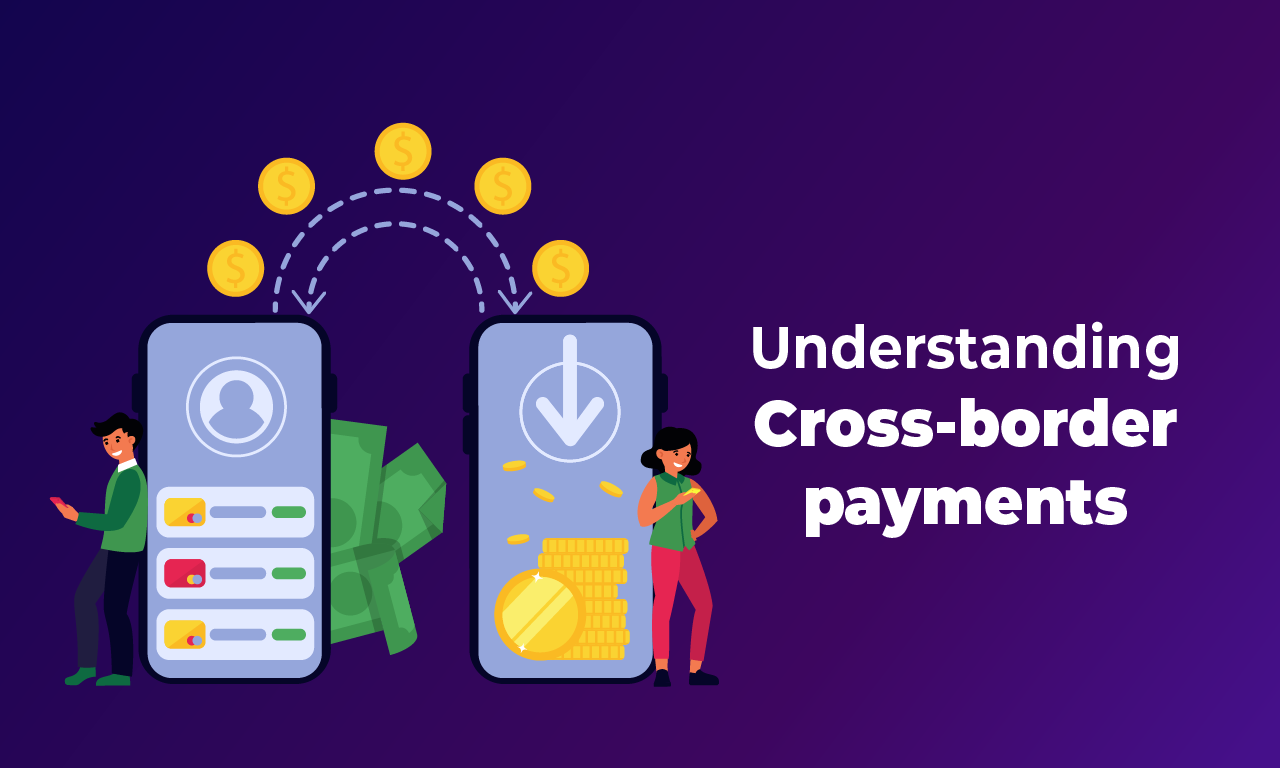
What if you could use digital money backed by your country's central bank instead of carrying cash or relying entirely on commercial banks?
Understanding Central Bank Digital Currencies (CBDCs): A Comprehensive Guide
What if you could use digital money backed by your country's central bank instead of carrying cash or relying entirely on commercial banks?
As the economy has rapidly adopted digital means of payment‚ governments around the world are rethinking the role of money and have begun to experiment with central bank digital currency (CBDC) to help modernize the monetary system and enable faster‚ safer, and more efficient payment․
If you've ever wondered what is digital currency‚ how it differs from cryptocurrencies‚ or what is CBDC‚ you're not alone․
This guide will cover the definition of CBDC‚ how it works‚ advantages‚ disadvantages‚ and why CBDCs may be the biggest development in global finance for decades to come.
What Is Digital Currency?
Before understanding CBDCs, it's important to answer a common question: what is digital currency?
Any form of money that only exists in digital form‚ as opposed to physical banknotes or coins‚ and is transferred and used solely through computers‚ smartphones or other electronic devices․
In modern times‚ there are a number of forms of electronic money or digital currencies used for a broad range of applications‚ some issued privately and some issued by governments․
Digital currencies offer several advantages over traditional cash, including:
Faster transactions
Lower payment processing costs
Better accessibility
Easier cross-border payments
Reduced dependency on physical cash
However, not every digital currency functions the same way. Understanding their differences is essential before exploring CBDCs.
Types of Digital Currency
There are several types of digital currency, each designed for different use cases.
Central Bank Digital Currency (CBDC)
A CBDC is issued and regulated by a country's central bank. It carries the same value as the nation's physical currency and is considered legal tender.
Cryptocurrencies
Cryptocurrencies like Bitcoin and Ethereum operate on decentralized blockchain networks without central bank control. Their value depends largely on market demand and supply.
Stablecoins
Stablecoins are private digital currencies designed to maintain a stable value by being linked to assets such as fiat currencies or commodities.
Electronic Money (E-Money)
This includes the digital balances stored in mobile wallets, prepaid cards, and online payment applications. Although widely used, these balances still depend on commercial banking systems.
Understanding these categories makes it easier to see why CBDCs represent a completely different approach to digital finance.
What Is Central Bank Digital Currency (CBDC)?
A central bank digital currency (CBDC) is a digital currency issued by a country's central bank or monetary authority‚ which differs from a decentralized digital currency like a cryptocurrency․
For instance‚ if a country creates a digital version of its currency‚ one digital unit would be interchangeable with one physical unit of currency․
Unlike money held in commercial bank accounts‚ CBDCs are a direct claim on the central bank and one of the safest forms of digital money․
With more governments using blockchain and distributed ledger technology‚ and the introduction of secure payment services‚ people who develop electronic payment systems that use blockchain technology are seeing increasing demand․
How Does a CBDC Work?
Although users experience CBDCs like digital payments, the technology behind them is far more sophisticated.
When a central bank issues a CBDC, individuals or financial institutions can access digital currency through approved wallets or licensed financial intermediaries.
A typical CBDC transaction follows these steps:
The central bank issues digital currency.
Users access it through authorized wallets or banking applications.
Transactions are securely verified.
Payments are completed almost instantly.
Every transaction follows regulatory compliance and security standards.
Unlike cryptocurrencies, CBDCs are designed to provide stability while maintaining government oversight.
Retail CBDC vs Wholesale CBDC
One of the most important concepts many guides overlook is that CBDCs are generally divided into two categories.
Retail CBDC
Retail CBDCs are designed for everyday consumers and businesses.
People can use them to:
Purchase goods and services
Pay utility bills
Transfer money
Receive government benefits
The overall goal is to create a secure digital alternative to cash.
Wholesale CBDC
Wholesale CBDCs are intended for financial institutions rather than the general public.
Banks use wholesale CBDCs for:
Interbank settlements
Large-value transactions
Cross-border payments
Liquidity management
Because wholesale payments involve large transaction volumes, CBDCs can significantly improve efficiency while reducing settlement time and operational costs.
Why Are Countries Introducing CBDCs?
The growing interest in central bank digital currency is driven by more than just technological innovation. Governments are responding to changing consumer behavior, the rise of private digital payment platforms, and increasing demand for secure digital transactions.
Some of the biggest objectives include:
Improving payment efficiency
Expanding financial inclusion
Reducing dependence on cash
Strengthening monetary policy
Supporting innovation in digital finance
Programmable payments and offline functionality are also discussed by many central banks‚ which could make CBDCs usable in areas lacking internet connectivity․
The ability of financial institutions to combine advancements in digital payments with complex analytics creates new opportunities for data science professionals to monitor transaction patterns‚ shape financial systems and influence policies through evidence-based decision-making․
Benefits of Central Bank Digital Currency
As more countries continue to pilot or launch CBDCs‚ the conversation has shifted from "Can they work?" to "How can they improve the financial system?" A well-designed CBDC has the potential to benefit governments‚ businesses‚ and consumers․
Faster‚ More Efficient Payments
Cross-border payments today in existing systems may be slow and costly‚ as they can pass through multiple intermediaries․ However‚ CBDCs can reduce the time and costs of cross-border payments‚ often providing near-instant settlement․
Improved transparency and antifraud measures
CBDCs‚ as regulated instruments‚ could help authorities track transactions and catch money laundering‚ tax evasion‚ and other financial crimes while at the same time complying with privacy legislation․
Better Monetary Policy Implementation
Central banks‚ which are the issuers and managers of CBDCs‚ would see how money moves through the economy and could more effectively respond to inflation‚ recession‚ or economic instability through policies․
Challenges and Risks of CBDCs
There are also meaningful technical‚ operational and regulatory difficulties to the design and launch of a CBDC․
Privacy Concerns
One of the largest concerns about CBDCs is privacy: how much transaction information will be accessible by governments or central banks․ Striking a balance between system transparency and individual privacy is a key challenge with CBDCs․
Cybersecurity Risks
Because CBDCs operate entirely digitally‚ domestic central banks will need to invest in cybersecurity to protect the payment infrastructure and their customers' data from cyberattacks․
Technology and Infrastructure
Moreover‚ a national digital currency would require digital infrastructure and payment networks․ It must be scalable‚ such that as transaction volumes grow‚ the system can efficiently handle the increased demand․
Real-World Examples of CBDCs
Many countries are already testing or implementing CBDCs, each with different objectives and approaches.
India – Digital Rupee (e₹)
The Reserve Bank of India introduced pilot projects for the Digital Rupee to improve retail and wholesale payment systems while reducing dependence on cash.
China – Digital Yuan (e-CNY)
China's Digital Yuan is among the world's most advanced CBDC initiatives, with large-scale pilot programs across multiple cities.
European Union – Digital Euro
The European Central Bank continues to evaluate the Digital Euro to complement physical cash while supporting secure digital payments across member countries.
Bahamas – Sand Dollar
The Bahamas became one of the first countries to officially launch a nationwide CBDC, demonstrating how digital currencies can improve financial inclusion across geographically distributed populations.
These initiatives show that while implementation strategies differ, the overall objective remains the same: creating secure and efficient digital payment ecosystems.
The Future of Digital Currencies
The future of digital currencies extends beyond replacing cash. Governments are exploring ways to integrate CBDCs with emerging technologies such as artificial intelligence, blockchain, and smart contracts to create more intelligent financial ecosystems.
Some trends expected over the next few years include:
Wider adoption of retail and wholesale CBDCs
Faster cross-border payment systems
Offline payment capabilities
Programmable digital payments
Greater interoperability between financial systems
Artificial intelligence is also expected to strengthen fraud detection, payment security, and financial analytics. Professionals who develop expertise in artificial intelligence will be well-positioned to contribute to these next-generation financial technologies.
Shaping the Future of Money
The question now is not whether CBDC will come‚ but how it will change the global financial architecture․
CBDCs could provide the safety of government-backed money‚ coupled with the speed and convenience of digital payments․ While there are challenges related to cybersecurity‚ privacy, and infrastructure to resolve‚ the implementation of CBDCs has the potential to improve the safety‚ efficiency, and resilience of monetary systems and increase financial inclusion․
As such‚ as more countries experiment with these new currencies‚ an appreciation of what a central bank digital currency will become increasingly important for the finance industry‚ technologists‚ companies‚ and ordinary consumers․
Stay in the loop
Talk to our learning advisors
Get personalised guidance on courses and career paths related to this topic — no cost, no pressure.
- Free career counselling
- Course & eligibility guidance