Ask ten security analysts what they did yesterday, and most will mention the same thing: chasing alerts. Dozens of them, sometimes hundreds, most leading nowhere. The real skill in security work isn't collecting more data; everyone already has too much of that. It's figuring out which handful of signals actually matter. That's the job threat intelligence is built for.
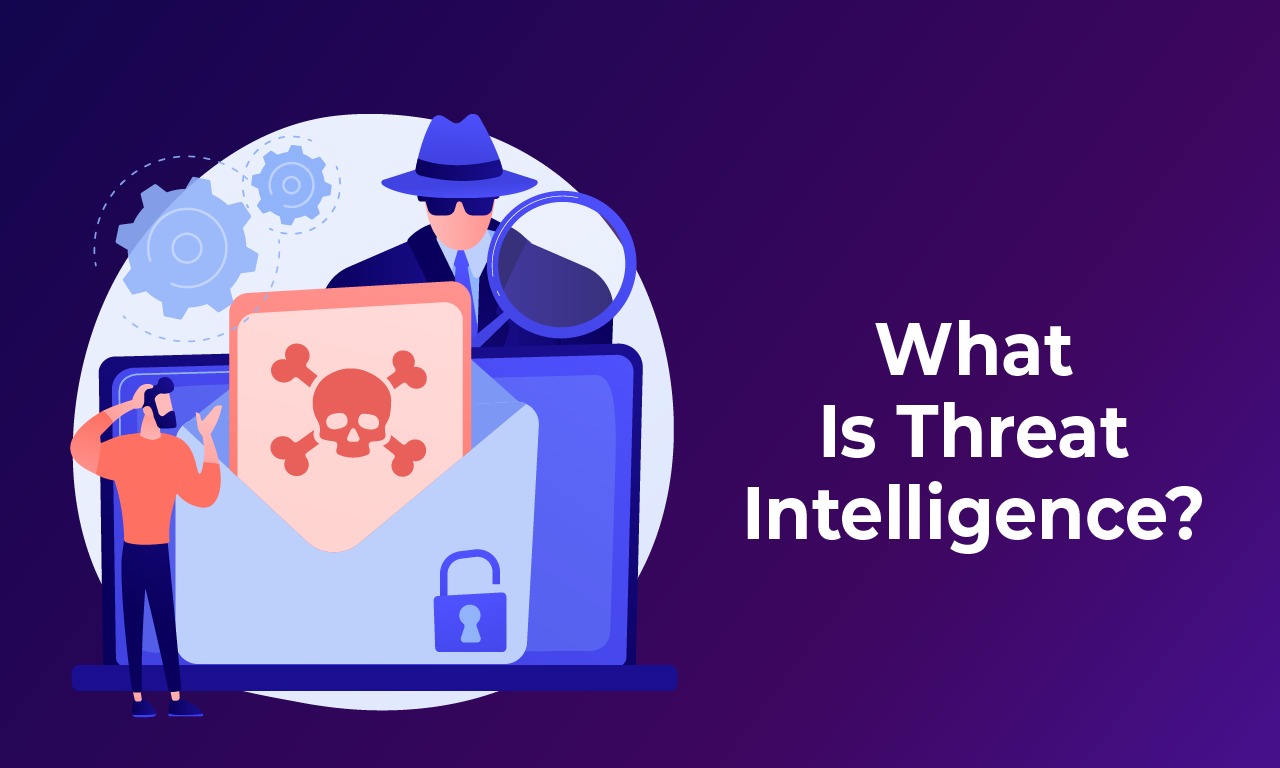
What Is Threat Intelligence?
Ask ten security analysts what they did yesterday, and most will mention the same thing: chasing alerts. Dozens of them, sometimes hundreds, most leading nowhere. The real skill in security work isn't collecting more data; everyone already has too much of that. It's figuring out which handful of signals actually matter. That's the job threat intelligence is built for.
What is threat intelligence, in plain terms? It's information about attackers who they are, what they're after, and how they operate, collected and analyzed well enough that a security team can actually use it to make a decision.
That last part is what separates intelligence from a spreadsheet of indicators. Anyone can pull a feed of bad IPs off the internet. Turning it into something a team can act on takes context, and that's the harder and more valuable part.
What Is Threat Intelligence in Cyber Security, Specifically?
Within cybersecurity, threat intelligence in cyber security (you'll also see it called CTI, or cyber threat intelligence) covers everything from concrete technical indicators, such as malicious domains, file hashes, and IP addresses, up to broader knowledge about an adversary's goals and habits. A phishing kit's infrastructure is threat intelligence. So is a write-up on how a particular ransomware crew typically negotiates. Both are useful; they're just useful to different people, at different points in the process.
Why Bother?
Because attackers move faster than most teams can hire. Security staffing hasn't kept pace with attack volume anywhere close to how it should have, and analysts simply can't manually vet every anomaly that crosses their screen. Left unaddressed, that gap shows up in the numbers: breaches routinely go undetected for months before anyone notices.
Threat intelligence doesn't fix the staffing problem, but it does something almost as useful it helps teams stop treating every alert as equally urgent. Instead of triaging by gut feeling, analysts triage by actual risk. Fewer false positives, faster investigations, and a much easier case to make to leadership when it's time to justify the security budget.
Analysts looking to sharpen the data side of this work can check out this Financial Data Analytics course for hands-on practice turning raw signals into decisions.
Strategic, Tactical, Operational Breakdown
Most people organize threat intelligence into three or four buckets, depending on who's using it:
Strategic intelligence is the 30,000-foot view industry trends, geopolitical risk, where the threat landscape seems to be heading. This is what executives and CISOs lean on when deciding where security dollars go next year.
Tactical intelligence gets into the how: the tactics, techniques, and procedures attackers use, often mapped against something like MITRE ATT&CK. Detection engineers live here, building defenses around how attacks actually unfold rather than how they're assumed to.
Operational intelligence is about a specific attack in motion timing, intent, which group is likely behind it. It often comes from less conventional sources: forums, leaked chat logs, chatter picked up from the corners of the internet most people never see.
Technical intelligence, sometimes lumped in with tactical, is the raw material hashes, domains, IPs that gets fed straight into a SIEM or firewall.
None of these work particularly well in isolation. Strategic intelligence without technical backup is just opinion. Technical indicators without strategic framing are just noise with better labeling.
SOC Threat Intelligence: What This Looks Like on Shift
This is where the concept stops being theoretical. SOC threat intelligence is the version analysts actually touch during a shift the layer that turns everything above into something usable in real time.
A few places it shows up:
Alert enrichment
An alert fires, and intelligence feeds automatically attach context is this domain known to be bad, has this hash shown up before. What used to take ten minutes of manual lookup now takes ten seconds.
Threat hunting
Knowing an adversary's usual playbook lets hunters go looking for signs of compromise that automated tools missed, instead of waiting for something to trip an alarm.
Incident response
Mid-incident, knowing who's likely behind it their usual objectives, how they tend to persist, how they typically exit changes how fast a team can contain the damage.
Detection engineering
New rules and tuning decisions get built around real, current attacker behavior, not assumptions from three years ago that never got revisited.
Take that layer away, and a SOC is basically reacting to whatever its tools happen to flag, with no sense of whether that's the real threat or just background noise. It's the difference between guessing and knowing.
How Intelligence Actually Gets Made
None of this happens in one pass. It's a cycle:
Teams start by figuring out what questions they actually need answered direction, in the jargon. Then comes collection: pulling raw material from feeds, logs, forums, wherever. That raw material gets processed cleaned up, deduplicated, translated if needed before analysts turn it into something resembling an answer.
Once there's a real conclusion, it gets disseminated to whoever needs to act on it. And then, ideally, someone asks what worked and what didn't, and the next cycle starts a bit sharper than the last.
Skip the feedback step, as a lot of programs do, and the whole thing calcifies. Attacker behavior shifts constantly; intelligence that isn't revisited goes stale embarrassingly fast.
To build the analytical skills behind this cycle, explore data science in finance programmes.
Who's Actually Using This Stuff
It's not just enterprises with a dedicated intel team. Smaller organizations get similar mileage from external feeds or a managed provider without building anything in-house. Inside a typical security org, the beneficiaries include:
SOC analysts, for faster and more accurate triage
Threat hunters, for hypothesis-driven searches instead of blind ones
Incident responders, for context when things are already on fire
Detection engineers, for building rules that reflect current reality
Executives and risk owners, for the strategic case behind budget and policy decisions
Where It Goes Wrong
Threat intelligence isn't something you subscribe to and forget about. The most common failure mode is drowning in feeds that generate volume without insight more noise, dressed up as signal. The second is buying intelligence that has nothing to do with your actual risk profile: a retailer doesn't need deep coverage of threats aimed at industrial control systems.
The third, and probably the most common, is simply not having enough people to turn what comes in into something acted on. Intelligence sitting unread in an inbox isn't intelligence. It's just another feed.
Stay in the loop
Talk to our learning advisors
Get personalised guidance on courses and career paths related to this topic — no cost, no pressure.
- Free career counselling
- Course & eligibility guidance