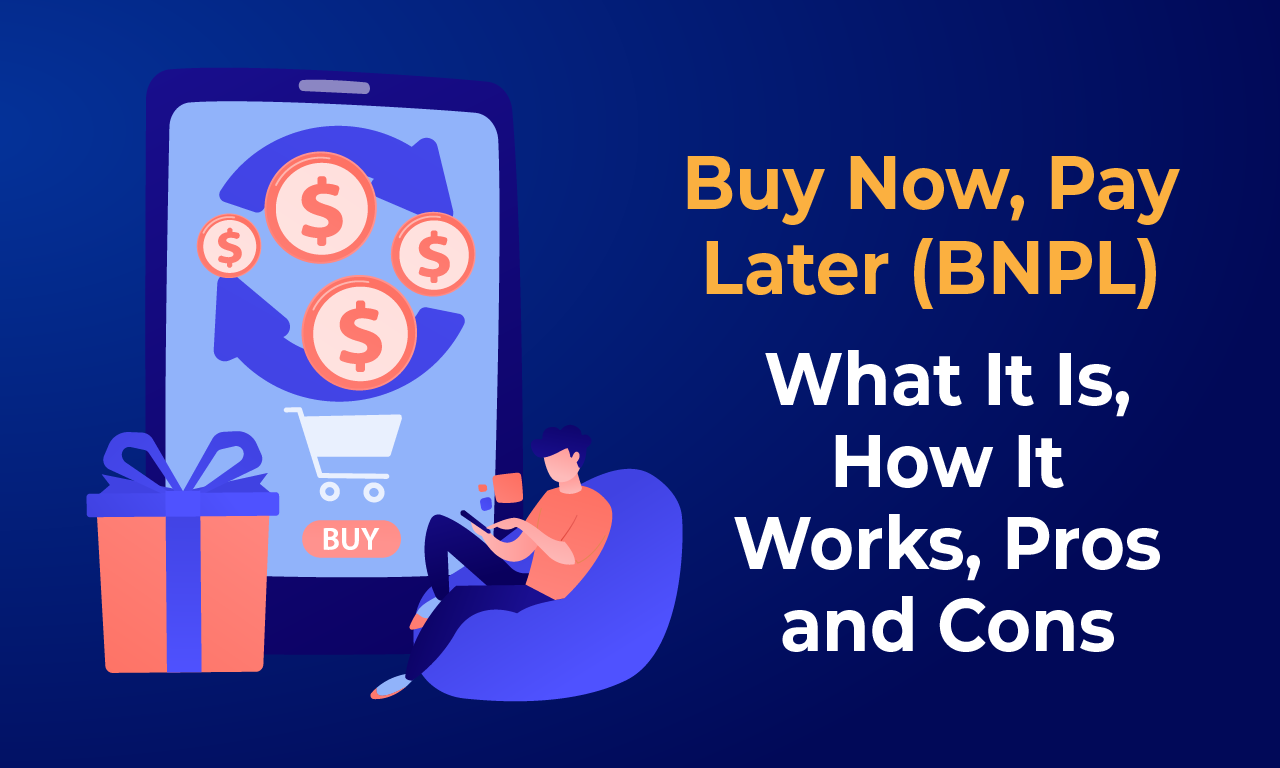
The checkout page is not the same one that it was 5 years ago. To the right of “Pay with credit card”, there's a new option: split this into 4 easy payments. The little box has quietly become the most disruptive format in consumer finance.
Buy Now, Pay Later (BNPL): What It Is, How It Works, Pros and Cons
The checkout page is not the same one that it was 5 years ago. To the right of “Pay with credit card”, there's a new option: split this into 4 easy payments. The little box has quietly become the most disruptive format in consumer finance.
So, what exactly is buy now, pay later, and is it a friend or foe of your wallet? Let's break it down.
Defining the Disruption: What Is BNPL?
So, what is BNPL, simply put? It is a short-term financing option that allows you to take a product home now and pay it off over time, usually interest-free, provided you pay on time. You could pay $200 or $50 today and three $50 payments every two weeks.
However, BNPL is not like a credit card: it's only linked to a single purchase. No revolving credit line, no minimum payment conundrum, and a much easier approval process. Fintech companies such as Klarna, Afterpay, Affirm, and Sezzle created a whole business around this one simple concept: to make the idea of spreading out a payment frictionless.
The draw is apparent: consumers can procrastinate purchasing items online that they can't afford upfront, and that's why it's proliferated throughout e-commerce checkout pages.
Cracking Open the Mechanics: How Does BNPL Work?
What happens behind the scenes with BNPL? At the time of checkout, you choose a BNPL option, and the provider conducts a quick soft credit check with no impact on your score and decides on approval in seconds, based on alternative data and not traditional underwriting.
The provider pays the merchant up-front, after deducting a processing fee once approved. Repayment is to the provider, usually via 'Pay in 4 ', which involves 25% up front, followed by three regular fortnightly repayments. There are longer-month plans available for larger purchases, which may include interest charges. Repayment is typically automated, and then late fees and reporting to the credit bureau can factor in when payments are missed.
The Engine Room: Unpacking the BNPL Business Model
What most consumers don't think about is how these companies make money if BNPL is interest-free. The BNPL business model provides answers to that.
BNPL companies mainly make money by charging merchant fees, which are a percentage of the transaction value, usually between 2% and 8%, and paid by the retailer. This is acceptable to merchants, as BNPL has been proven to improve the average order value and decrease cart abandonment.
In addition to merchant fees, there are also late fees, interest on longer-term plans, and now, more than ever, embedded financial products. This hybrid business model, part payment processor and part lender, makes BNPL one of the most closely watched verticals in BNPL fintech today.
Meet the Players: Leading BNPL Providers
The BNPL sector has become a crowded market in a very short time. One of the largest players in the world is Klarna, which has partnerships with top retailers around the world. Affirm provides extended instalment periods with clear terms.
Block acquired Afterpay, which was a company that targeted younger, fashion-oriented consumers. Sezzle distinguishes itself by reporting payments to the credit bureaus, which assists users in creating credit history. Traditional players are getting in on the act too — PayPal has a “Pay in 4” offering, and banks are introducing their own instalment payments via the card infrastructure, indicating that BNPL is moving to the mainstream of payment infrastructure.
Beyond the Storefront: Buy Now Pay Later for Business
Most of the discussion about BNPL revolves around consumers, but buy now, pay later for business is quickly becoming a trend and category on its own. Businesses can also be subjected to cash flow issues and B2B transactions, such as supplier payments, equipment purchases, and bulk orders of inventory, that are significantly larger in value.
B2B BNPL platforms enable businesses to postpone payment for their invoices or significant purchases, assisting with cash flow while eliminating the requirement for normal debt or prolonged financial institution approvals. This is particularly beneficial for small and medium-sized businesses (SMBs) that need to manage inventory or expand their business without depleting working capital.
Some firms, such as Resolve, TreviPay and Balance, have developed BNPL infrastructure specifically for B2B, using the same principles of instant approval, deferred payment and automated billing that are used at consumer checkout.
Weighing It Out: The Real Pros and Cons of BNPL
The positive side of BNPL is that it’s actually convenient. There's virtually instant approval and predictable payments, and most of the standard plans have zero interest if you pay on time. It can also be more easily accessible for a credit builder than a credit card, as many companies perform soft checks instead of hard enquiries. It is a useful budgeting tool for cash-strapped consumers as a way to divide a big expense into smaller payments, scheduled with their paycheques.
The flip side: BNPL isn't necessarily viewed as “real” debt, which can foster overconsumption, particularly if you're paying smaller amounts and see the purchases as less expensive. There's a documented issue called 'loan stacking' where lots of users have more than several plans with various providers at once.
Refunds can also be complicated, since BNPL refunds go via the lender, and you could still be liable to make payments while a dispute is going through. Late payments, which can damage credit, can be reported to credit bureaus by some providers, while on-time payments rarely do so.
The Regulatory Horizon
The surge in BNPL's popularity has not escaped the scrutiny of regulators. The Consumer Financial Protection Bureau has identified areas of the BNPL products that have not been fully regulated, including insufficient disclosure and dispute resolution, and, although the federal model of oversight is changing, some states have already created their own regulations, including licensing requirements, suggesting that the BNPL "Wild West" days are over.
In order to create BNPL-adjacent campaigns, knowing about this new landscape is now an integral part of the go-to-market strategy for marketers.
Should You Use BNPL?
The honest answer is that it depends entirely on discipline. BNPL is a truly valuable and inexpensive financing option when used intentionally, as in the case of a purchase you could have afforded but had planned to pay for over a couple of weeks. It can build up over time and cause financial difficulties without you realizing it, particularly when used impetuously or layered over different providers.
When considering BNPL for a shopper, read the terms before you check out and never buy something that you cannot afford with cash. When considering buy now pay later as a type of business financing, consider the cash flow benefits and the fees and underwriting terms that apply to your industry.
The knowledge of BNPL products is becoming more and more valuable for professionals in the fintech, lending, and business operations sectors.
The Bottom Line
BNPL has transitioned from a novelty at the checkout to a mainstream credit alternative, present in e-commerce, retail, travel, and B2B procurement. Understanding how Buy Now, Pay Later (BNPL) works, who the main providers are, and how the business model operates can help you make better decisions, whether you're using BNPL for a purchase or considering it as a way to grow your business. As with any financial instrument, BNPL demands discipline, just with the added emphasis of staying informed.
Want to go deeper on how models like this actually work? Check out this FinTech Fundamentals course for a practical grounding in digital finance and payment models.
Stay in the loop
Talk to our learning advisors
Get personalised guidance on courses and career paths related to this topic — no cost, no pressure.
- Free career counselling
- Course & eligibility guidance