
FinTech — Knowledge Hub
Trends, guides and research on FinTech, payments, AI and the future of finance.

What is transaction monitoring in AML?
What if a single suspicious transaction could expose an entire money laundering network? Unfortunately‚ banks and other financial institutions process millions of transactions daily‚ making it impossible to manually check all of them․ This is the point when transaction monitoring becomes one of the most important pillars of AML compliance․
Digital Asset Custody 101: Guide to Direct Custody, Wallet Options, and More
Digital assets aren't just confined to crypto trading anymore. Now, banks, asset managers, fintech companies, and enterprises are exploring blockchain technology for payments, tokenization of real-world assets, and new financial services. With the growing adoption of new technology, the need to secure these assets is becoming equally important to managing them.
Why Use Data Visualization in Finance?
What if a company’s most important financial decisions are hidden inside thousands of rows of data that no one can understand quickly?
Real-World Assets (RWAs) Explained
A real-world asset (RWA) in crypto is a real-world asset (e.g., real estate, gold, bonds, equities, or cash), represented digitally as a token on a blockchain. The digital representation is created through the process of RWA tokenization.
What is Regulatory Change Management?
In a game of rules, there's no standing still. A new data privacy clause here, an updated capital adequacy norm there, and you're one step behind the law in your policies, controls, and contracts. That is where regulatory change management comes in: A practice of continually monitoring, understanding, and responding to new or modified regulations before they become compliance issues.
Understanding Central Bank Digital Currencies (CBDCs): A Comprehensive Guide
What if you could use digital money backed by your country's central bank instead of carrying cash or relying entirely on commercial banks?
Machine learning in finance: applications, benefits, and limitations
There is no way one can deny that machine learning in finance is making a huge difference. Financial institutions generate massive data each day from different sources, such as financial transactions, customer and market activities, and operations. Hence, there is a constant need to analyze and evaluate data to make better decisions.

Buy Now, Pay Later (BNPL): What It Is, How It Works, Pros and Cons
The checkout page is not the same one that it was 5 years ago. To the right of “Pay with credit card”, there's a new option: split this into 4 easy payments. The little box has quietly become the most disruptive format in consumer finance.
10 innovative FinTech business models
What if the next major financial company is not a traditional bank but a technology-driven platform solving everyday money problems in a smarter way?
What is online banking fraud and how to prevent and manage it
Online banking fraud is one of the fastest-growing financial crimes globally, and India is kinda at its epicenter. Per the data released by the Reserve Bank of India (RBI), banking frauds worth ₹48,021 crore were reported in 2025–26, which is a staggering 46.4% rise in value compared to the prior year.
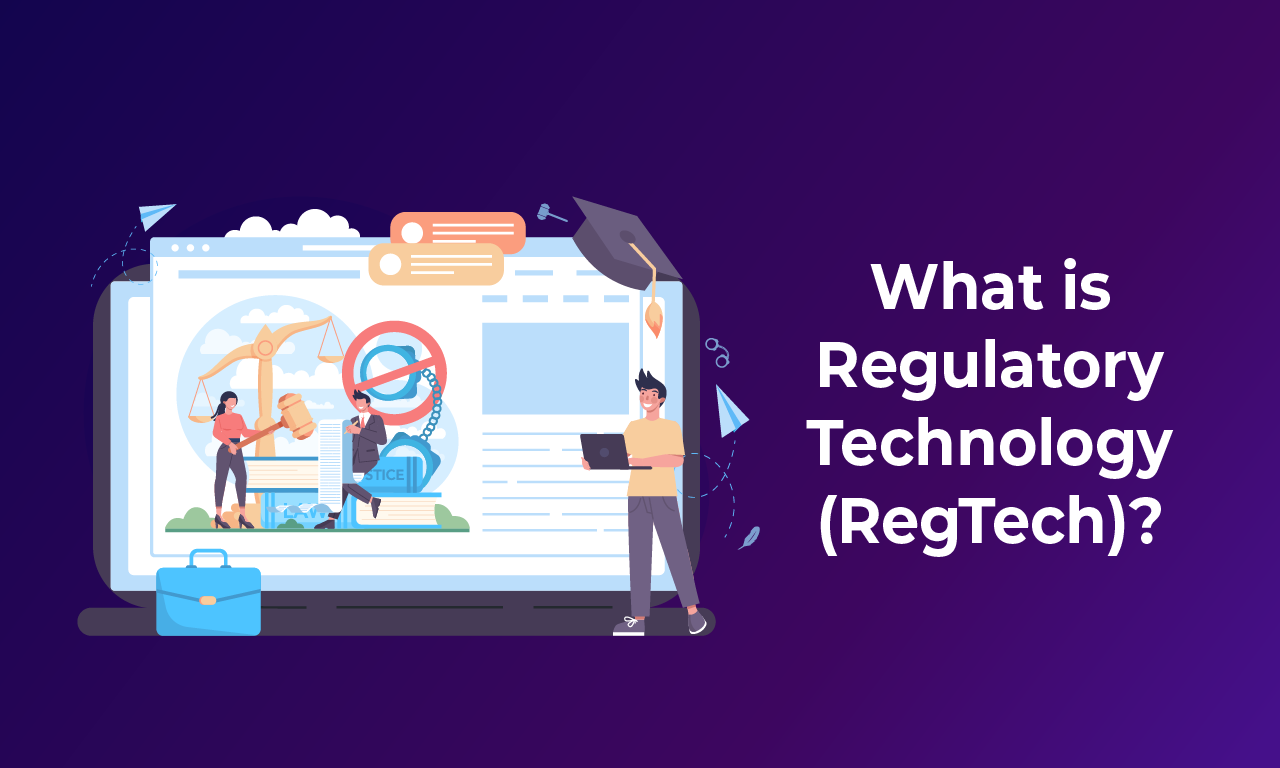
What is Regulatory Technology (RegTech)?
What if businesses could automatically track regulatory changes, detect compliance risks, and reduce manual reporting work without constantly chasing updates?
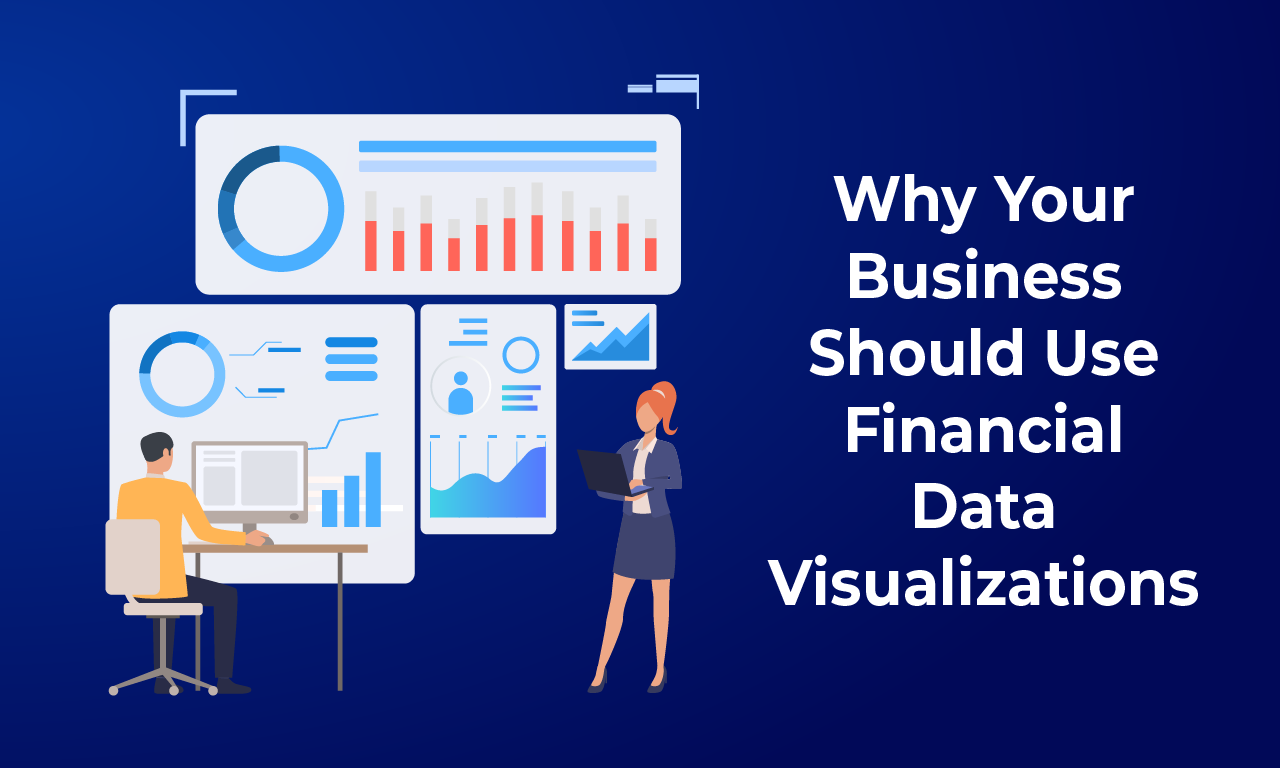
Why Your Business Should Use Financial Data Visualizations
Data is the lifeline of today's economy, and numbers alone are not always enough to tell the story. Valuable insights may be embedded in rows of figures in a spreadsheet, but they are rarely actionable until someone can see what the data is saying. This is where financial data visualization enters the scene and why businesses of all sizes are prioritizing it as the way they communicate, plan, and grow.
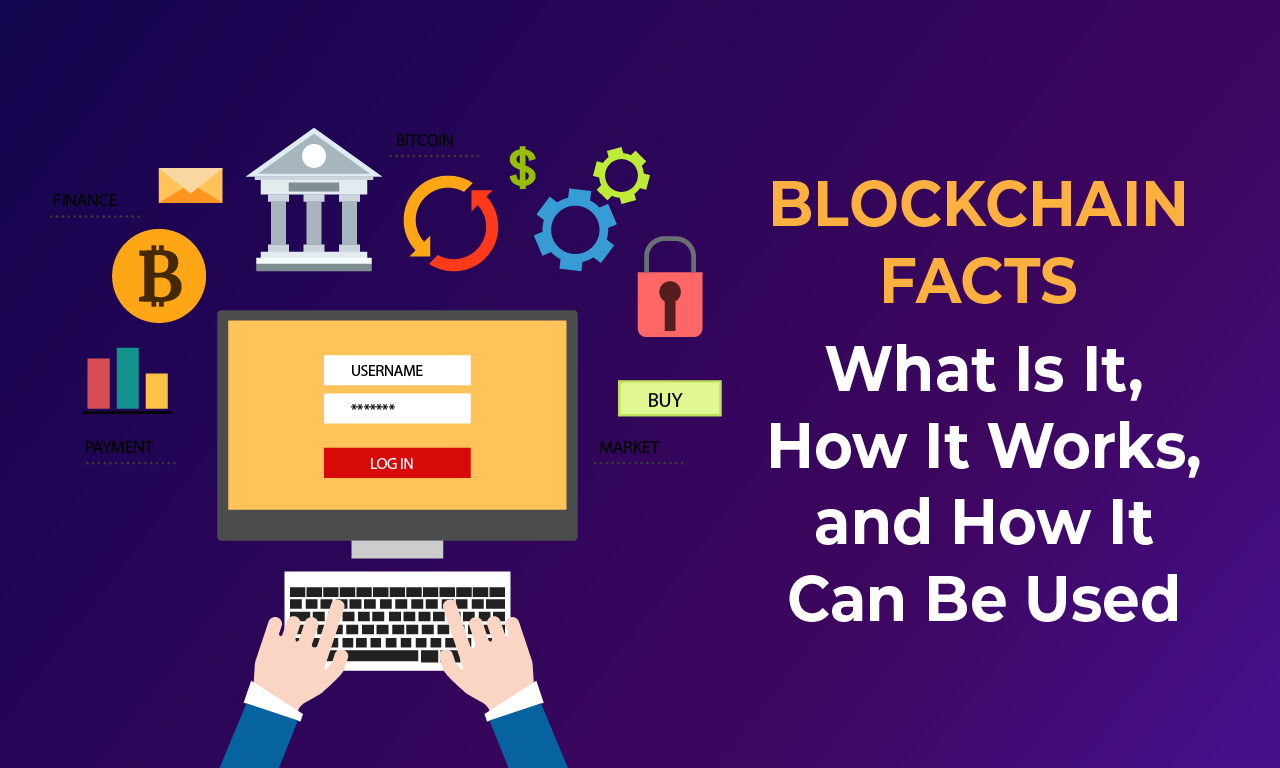
Blockchain Facts: What Is It, How It Works, and How It Can Be Used
Most individuals probably know what "blockchain" is. Some people link it to Bitcoin. However, very few are able to truly define it or explain its significance.
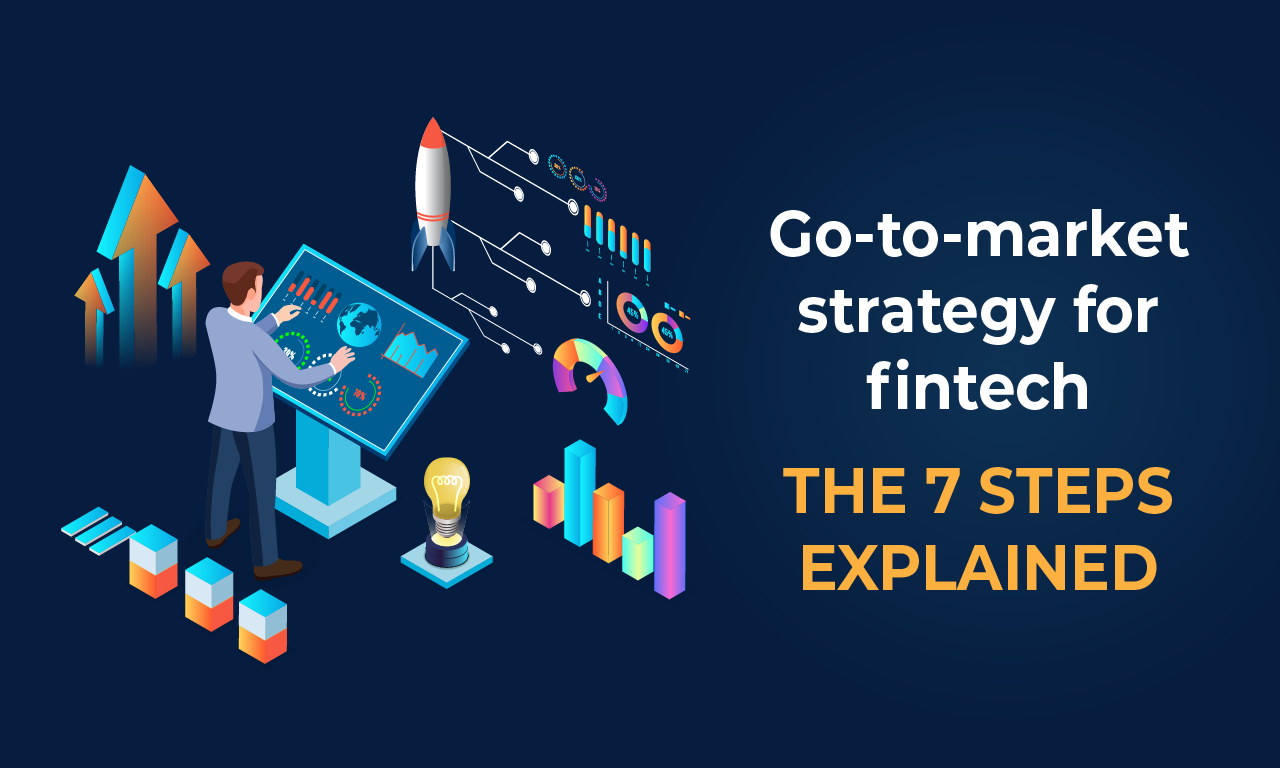
Go to market strategy for fintech: the 7 steps explained
Have you ever wondered why certain financial products gain popularity more quickly than others? A clear fintech marketing strategy that links the right target, the right message, and the right launch plan often makes the difference, rather than the product alone.
Blockchain and trade finance
International trade has historically depended on smooth transactions, accurate documentation, and reliable relationships among multiple parties operating in different nations. Yet traditional trade finance typically includes excessive paperwork, ad hoc methods of verifying documents, and long approval cycles, making it harder for companies to operate efficiently or affordably.
The Future of AI in the Finance Industry
For years, "AI in finance" mostly meant slide decks and consultant promises that barely changed how anyone did their job on a Monday morning. That has flipped.
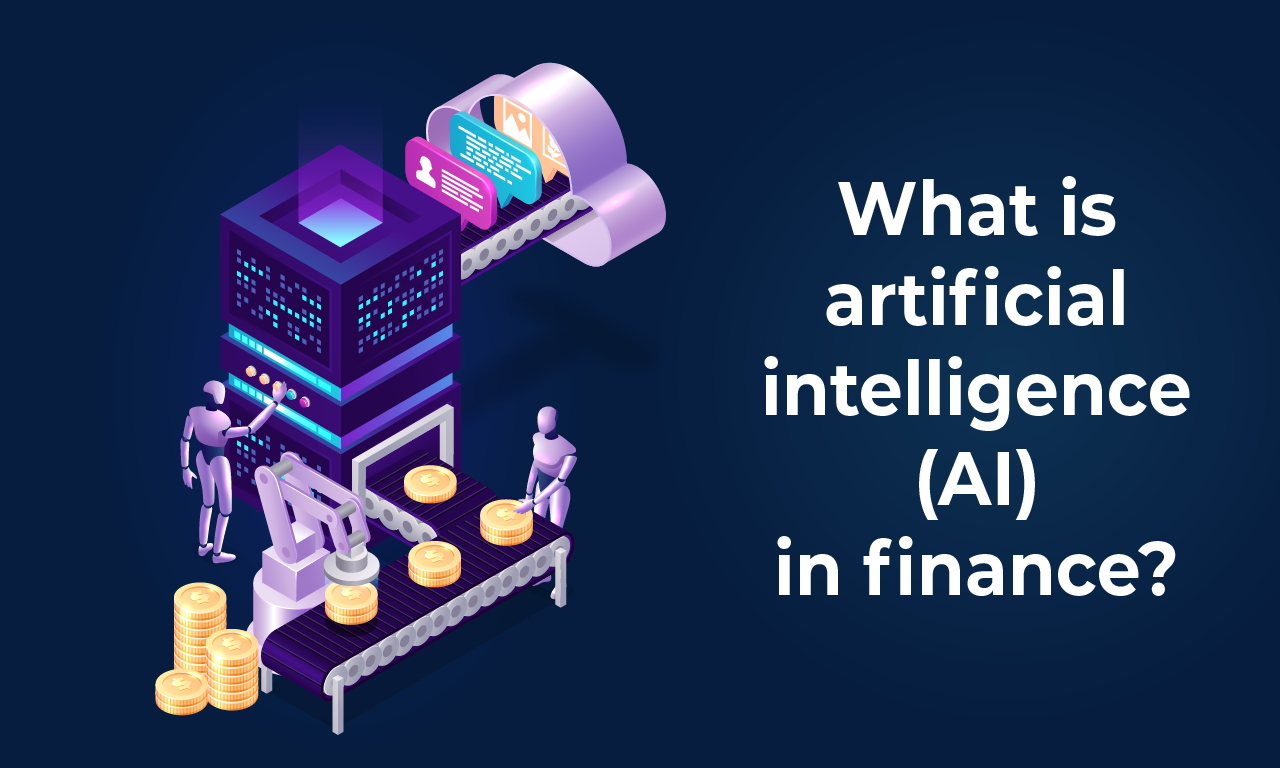
What is artificial intelligence (AI) in finance?
Fraudulent transactions can destroy millions in value, while missed market signals can change investment outcomes in seconds. Technology has become an essential source of competitive advantage in finance-related businesses where speed, precision, and managing risks are equally important.
Excel Fundamentals – Formulas for Finance
You may have seen a finance professional whirl through a spreadsheet and thought, “How did that guy get through that spreadsheet so quickly?” The answer is almost always that he or she knows the Excel formulas by heart. The one thing that is most helpful to you as an analyst or a working professional looking for some of the best Excel courses for finance is to learn the basics of Excel.
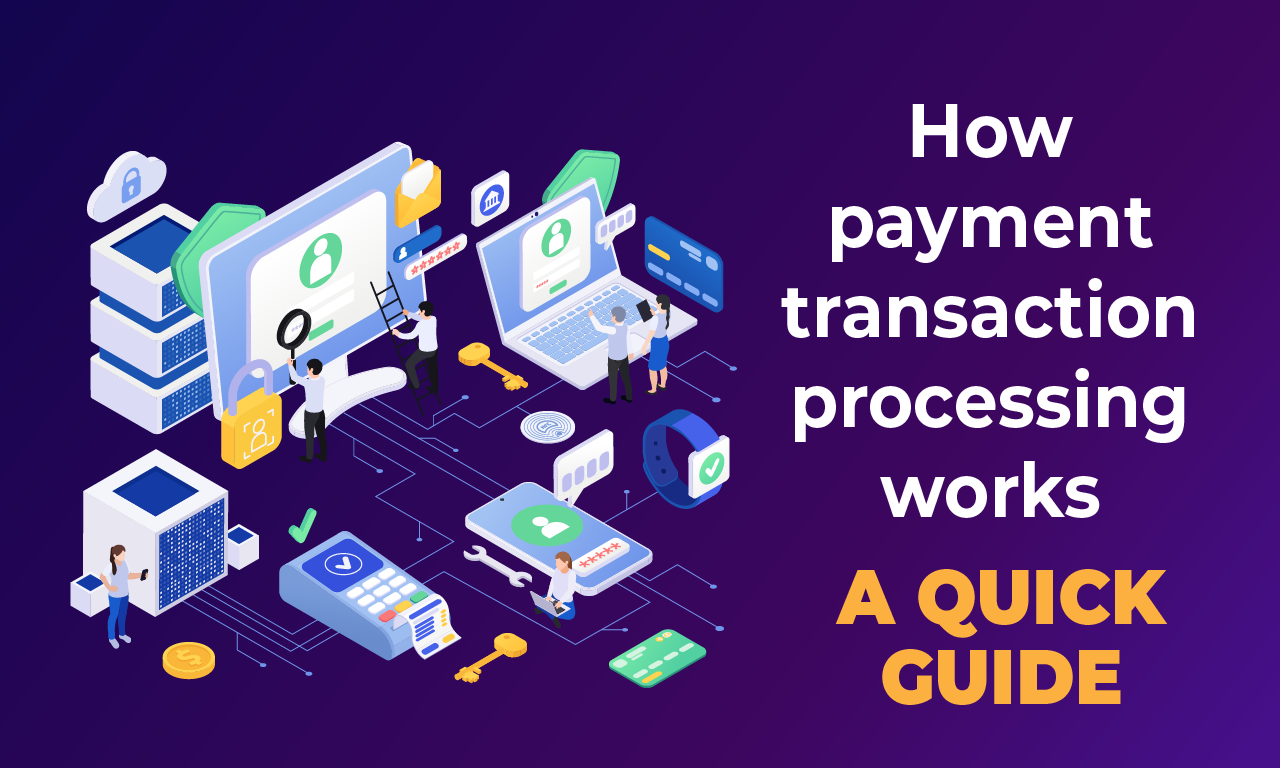
How payment transaction processing works: A quick guide
Every time you swipe your card or press Pay Now on a web page, a cascade of unseen procedures shoots off in a few seconds. Your bank checks whether you have money, the merchant gets the green signal, and the money starts moving. But what exactly does it do, and why is it important to businesses?
A Guide to Machine Learning in Finance
What if your bank could detect fraud before it happens, predict market risks in real time, and personalize financial advice based on your spending behavior?
AI in Fintech: Use Cases and Benefits
Fintech has changed the way you access and perform financial services. With the rise of digital wallets, mobile banking apps, online lending services, and investment platforms, you can conduct your financial transactions faster, more easily, and cheaply than before.
No matching articles. Try a different search term or category.