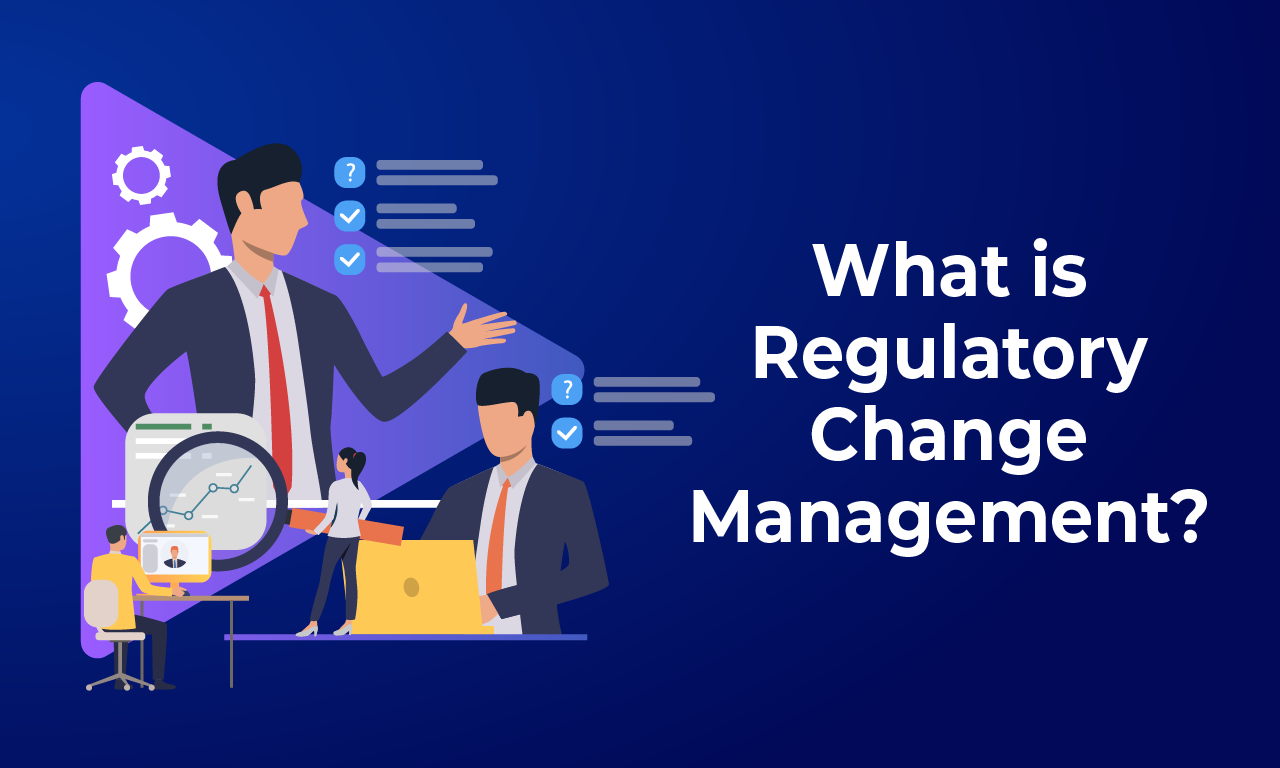
In a game of rules, there's no standing still. A new data privacy clause here, an updated capital adequacy norm there, and you're one step behind the law in your policies, controls, and contracts. That is where regulatory change management comes in: A practice of continually monitoring, understanding, and responding to new or modified regulations before they become compliance issues.
Decoding Regulatory Change Management: Why It's the Compliance Backbone Every Business Needs
In a game of rules, there's no standing still. A new data privacy clause here, an updated capital adequacy norm there, and you're one step behind the law in your policies, controls, and contracts. That is where regulatory change management comes in: A practice of continually monitoring, understanding, and responding to new or modified regulations before they become compliance issues.
So how do organizations like banks, insurers, and healthcare providers keep their heads above water in the midst of dozens of regulatory jurisdictions and so many rules to follow, without losing their way in the paperwork? The answer is almost always: thanks to a well-managed regulatory change management program.
So, What Are Regulatory Changes, Really?
Before we get into the process and tools, it is useful to first address the fundamental question: What are regulatory changes? In layman's terms, they refer to any updates, revisions, rescissions, or issuances from a regulatory authority (central bank, securities regulator, data protection authority, industry watchdog) that impact the way an organization needs to run.
This can range from a change in reporting deadline to a whole new data privacy law. No matter how small the size, each one has implications for policies, contracts, IT systems, and employee training.
Breaking Down What Regulatory Change Management Actually Means
Regulatory change management, at its core, is aligning a business to the regulatory landscape they live in, across industries, countries, and regulatory issuers, through a process of ongoing monitoring of changes and updating policies, standards, and controls. It is not a compliance tick box, but an ongoing process of evaluation, planning, execution, and review.
A powerful program pinpoints those internal stakeholders who should be aware of a change, assesses the extent of the impact on current operations, develops a response planning strategy, and monitors to ensure that the strategy is implemented effectively. When it's done right, it helps to avoid the cascade of failure to comply, fines, and loss of reputation, which can happen with minor regulatory changes.
If you're a team that has to develop this capability from scratch, then structured learning helps. Many professionals first encounter RegTech and compliance automation by embarking on a RegTech and SupTech learning path, where they learn about the basics of compliance monitoring, KYC automation, and governance systems — the very foundations of regulatory change management in practice.
Why Businesses Can't Afford to Ignore This
It isn't a game; there's real money involved. Non-compliance not only carries a fine but can result in audit failures, reputation damage, and even loss of the license to operate in some markets. This is when the larger discussion of risk management and change management comes into play. Regulatory change seldom comes alone, and it usually intersects with an organization's risk profile.
A change in a bank's capital requirement alters the bank's risk model. An updated data law alters the risks of a company in the cyber world. When regulatory change management and risk management are viewed as integrated disciplines, instead of independent ones, organizations can act swiftly and in sync rather than scrabbling their way from one department to another.
The Regulatory Change Management Process, Step by Step
Whilst there is no single template that fits every organization, most mature programmes will have a rhythm in their regulatory change management process that is similar:
Monitor: Keep a constant eye on regulatory bodies, legislation changes, and enforcement actions for your industry and location.
Assess Impact: Identify impacted policies, controls, products, or business units and the extent to which they are impacted.
Plan the Response: Identify what needs to change, who will change it, and when.
Implement: Review and update policies, retrain staff, and make changes to systems and controls.
Monitor and Review: Ensure the change was well received, and keep a record of all for auditing purposes.
Failure to take one of these steps is typically where things break down: The change fails to happen, or it is inconsistent between departments.
How to Change Regulatory Information Without Losing Control
A typical operational question for compliance teams is "how do we change compliance information internally after the confirmation of a new rule? The solution is to have a central repository with version control.
Policy updates should be made through a clear and distinct process: draft, review, approve, publish, rather than editing separate spreadsheets or sending out policy documents for approval via email. Now, this is where a specialized regulatory change management system comes into play to take the place of ad hoc changes with structured, traceable changes.
Manual Effort vs. a Modern Regulatory Change Management System
Many organizations are still using inboxes and shared drives to manage regulatory changes. It functions – until it ceases to function. Manual tracking is a burden as the number of regulations increases, updates are missed, impact assessments fluctuate depending on who is looking at them, and audit trails are spread out in emails and documents.
A purpose-built regulatory change management system changes that equation. It brings all regulatory intelligence together, sends automatic notifications for relevant regulatory changes, maps directly to internal policies and controls, and generates a single audit-ready record of every action completed. This transition from reactive scrambling to proactive tracking can be the largest efficiency gain in a growing compliance team.
Choosing the Right Regulatory Change Management Solution
Some companies may not require an enterprise-level platform right away. Some of the practical considerations that can be taken into account when looking for the right regulatory change management solution are:
Coverage: Does it keep track of all the necessary jurisdictions and regulatory bodies applicable to your industry?
Workflow automation: Could it automate the routing and chasing of impact assessments and approvals?
Integration: Does it integrate with existing GRC, risk, or policy management systems?
Audit readiness: Is it able to generate a clear, time-stamped decision history for an audit or investigation?
Sometimes, smaller teams begin with less sophisticated and more targeted tools, and then move to a full-scale platform, and that's fine as long as the basics (centralization, traceability, and timely alerts) are built from the ground up.
The Tools That Make It Work
In addition to the core system, most programs include regulatory intelligence feeds and workflow tools to manage new regulatory changes.
They also use document management tools for version control and dashboards to track open tasks and deadlines.
These tools collectively decrease the reliance on anyone's memory or email, which is a significant factor when compliance demands surge or there is a key staff turnover.
Building the Skills Behind the Systems
A compliance program is not a software program; it's a people program. The compliance officers, risk analysts, and legal teams have to be well-versed in the regulation and the technology to monitor it. To develop that combination of skills, structured FinTech and compliance courses, from basics in regulatory monitoring to practical aspects of risk analytics, may be a first step for professionals.
Bringing It All Together
Regulatory change management is not a back-office process; it is the glue that holds together the day-to-day business of a company and the changing rules that it has to adhere to. The objective remains the same, whether you are formalizing your initial regulatory change management process or considering a regulatory change management system: it's to detect change early, determine what it is, and act on it before it becomes an issue, rather than after.
If your team is just beginning to formalize this discipline, it may be worthwhile to check out the available learning paths resource that provides a series of steps to take to develop compliance and risk fluency — after all, a regulatory change management program is only as good as its implementers.
Stay in the loop
Talk to our learning advisors
Get personalised guidance on courses and career paths related to this topic — no cost, no pressure.
- Free career counselling
- Course & eligibility guidance