What if the next major financial company is not a traditional bank but a technology-driven platform solving everyday money problems in a smarter way?
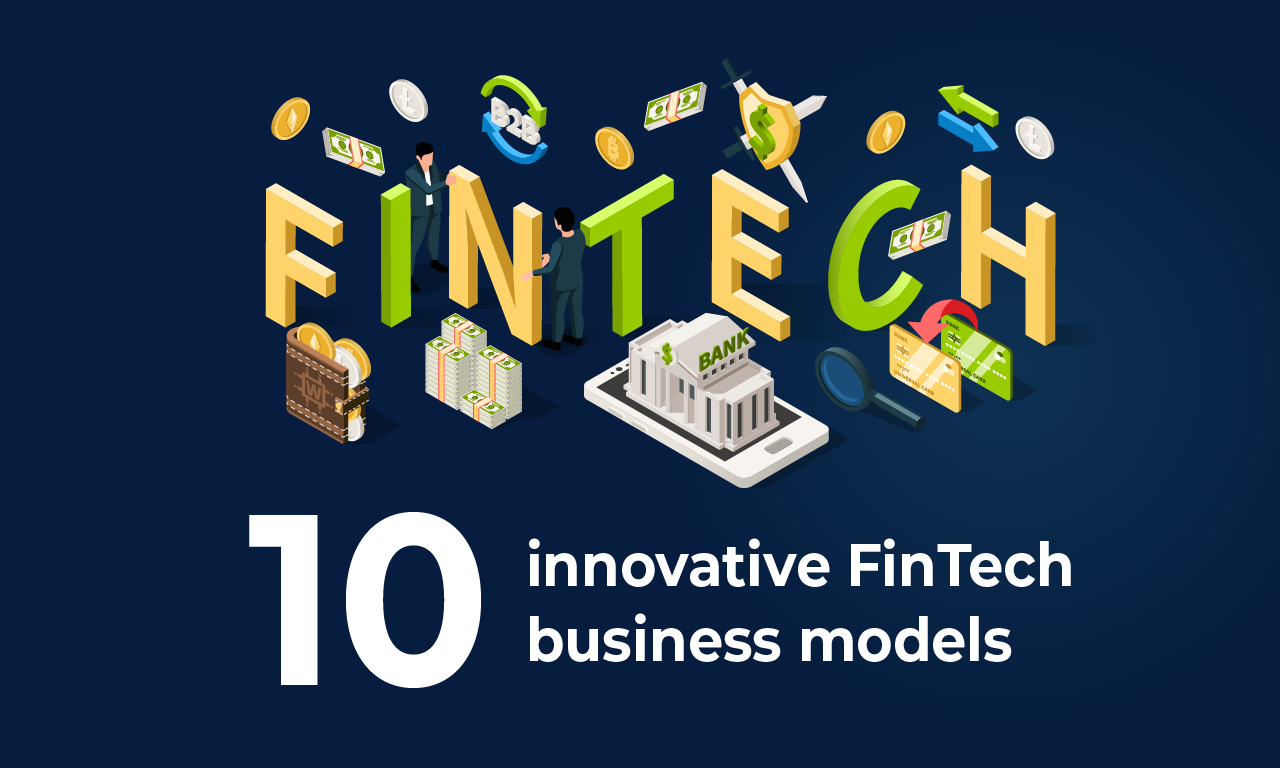
10 Innovative FinTech Business Models Transforming the Future of Finance
What if the next major financial company is not a traditional bank but a technology-driven platform solving everyday money problems in a smarter way?
This is the transformation that fintech innovation is bringing to the financial industry.
Financial technology is changing how we spend‚ borrow‚ invest‚ save, and manage money․ Digital native consumers no longer seek out a local bank or credit union branch․ They expect speed‚ simplicity, and personalization․
Fintech companies are transforming the financial services ecosystem with innovations like digital wallets and artificial intelligence in finance. This creates new business opportunities for entrepreneurs looking for fintech business ideas that improve customer convenience․
Fintech success relies on solving real financial issues with technology and data with a user-centric approach․ In this blog‚ we will explore 10 fintech models that are influencing the future of finance and transforming the financial landscape for businesses․
What Makes a FinTech Business Model Successful?
Successful fintech companies solve customer problems better than customary players․ Banks have typically been focused on the financial product‚ while fintech players are more focused on the associated customer experience․
Modern fintech products and services use technologies such as artificial intelligence‚ machine learning‚ blockchain‚ cloud computing‚ and data analysis to improve the delivery of financial services․
The strongest fintech models usually focus on:
Reducing complexity in financial processes
Providing personalized experiences
Improving security and transparency
Making financial services accessible to more people
For example‚ a digital lending platform not only provides loans‚ but also eases the lending process through technology for easier approval and customer risk assessment․
1. Digital Wallets and Payment Platforms
Digital wallets are one of the most successful examples of fintech innovation. These platforms allow users to store money, transfer funds, pay bills, and complete transactions without depending on traditional banking systems.
The growth of mobile payments has created huge opportunities for businesses building payment solutions. Companies in this space usually generate revenue through:
Transaction fees
Merchant partnerships
Premium features
Financial service integrations
Modern digital wallets are also expanding beyond payments by adding features like savings tools, investment options, and credit services.
Because of increasing digital adoption, payment platforms continue to remain one of the most attractive fintech startup ideas for entrepreneurs.
2. Neobanking and Digital Banking Platforms
Neobanks are online banks‚ with no or very few physical branches‚ that provide banking services via mobile apps․ Neobanks offer convenience and personalization to customers across the banking value chain․
Unlike other banks‚ neobanks are designed to be customer-centric: users can open and manage accounts‚ budget and track expenses‚ transfer money‚ and access other financial products in a single app․
Their revenue models commonly include:
Subscription-based services
Transaction charges
Partnerships with financial providers
Premium banking features
As consumers have shifted towards digital alternatives‚ neobanking has become one of the fastest growing types of fintech․
3. Embedded Finance
Embedded finance is changing how customers access financial services. Instead of using separate banking applications, financial features are integrated directly into non-financial platforms.
For example, shopping platforms can offer instant payments, businesses can provide digital wallets, and travel applications can include insurance options during booking.
The biggest advantage of embedded finance is convenience. It allows customers to access financial services at the exact moment they need them.
Businesses usually earn through:
Transaction revenue
Partnership models
Service charges
With companies focusing more on customer experience, embedded finance is becoming a major opportunity in the fintech ecosystem.
4. Digital Lending and Alternative Credit Platforms
Traditional loan processes often involve lengthy documentation and slow approvals. Digital lending platforms are solving this problem by using technology to make borrowing faster and more efficient.
These platforms analyze customer information, transaction patterns, and alternative data sources to evaluate creditworthiness.
Machine learning plays an important role by helping lenders:
Identify financial patterns
Predict repayment behavior
Detect potential risks
Digital lending businesses typically earn through interest charges, processing fees, and platform commissions. This model continues to grow as more customers look for simpler access to credit.
5. Buy Now Pay Later (BNPL)
Buy Now Pay Later has become a popular fintech business model, especially in online shopping.
The concept allows customers to purchase products immediately and pay later through flexible installments. This benefits both customers and businesses.
Customers get:
Flexible payment options
Easier affordability
Businesses benefit from:
Higher purchase conversions
Increased customer engagement
BNPL companies generate revenue through merchant fees, interest charges, and late payment fees.
However, responsible lending practices are becoming increasingly important as regulators focus on consumer protection.
6. AI-Powered Financial Services
Artificial intelligence is one of the major trends affecting fintech development today․ Finance companies are using it to analyze data‚ automate processes, and improve the customer experience․
Some common AI applications in fintech include:
Fraud detection systems
AI-powered customer support
Automated financial recommendations
Risk prediction models
For example‚ AI can analyze transactional data considerably better and faster than older methods․
As financial services continue to be more data-driven‚ AI-driven fintech solutions are expected to play a key role in future financial systems․
7. Robo-Advisory and Digital Wealth Management
Investment management was once limited to people who had access to financial advisors. Robo-advisory platforms have changed this by providing automated investment guidance.
These platforms use algorithms to analyze customer goals, risk preferences, and financial behavior to create investment recommendations.
The business model usually works through:
Management fees
Subscription plans
Premium advisory services
Robo-advisors are gaining popularity because they make investment planning more accessible and affordable for everyday users.
8. InsurTech: Technology-Driven Insurance Solutions
InsurTech combines insurance services with technology to create faster and more personalized experiences.
Traditional insurance processes often involve complex paperwork and slow claim processing. InsurTech platforms simplify these processes through automation and analytics.
They help businesses improve:
Policy recommendations
Claim management
Risk evaluation
By using customer data and AI, insurance companies can create more customized products based on individual needs.
9. RegTech and Compliance Technology
As financial regulations become more complex, businesses need efficient ways to manage compliance. This has created opportunities for RegTech solutions.
RegTech platforms help financial organizations automate tasks such as:
Identity verification
Fraud monitoring
Regulatory reporting
Risk management
By reducing manual processes, RegTech improves accuracy and helps companies manage compliance requirements more effectively.
This makes RegTech one of the growing areas within the fintech industry.
10. Banking-as-a-Service (BaaS)
Banking-as-a-Service gives businesses the ability to provide financial services without the need to develop their own banking infrastructure․
APIs enable firms to integrate various banking functionalities such as payments‚ accounts, and financial products into their own products․
This allows‚ for example‚ an e-commerce company to provide financial services without needing to become a bank․
BaaS providers usually generate revenue through:
API usage fees
Subscription models
Transaction-based pricing
This model is helping businesses create new financial experiences beyond traditional banking.
Future Trends Shaping FinTech Business Models
The future of fintech will be driven by technologies that improve automation, security, and personalization.
Some major trends include:
AI-driven financial decision-making
Open banking ecosystems
Blockchain-based financial solutions
Predictive analytics
Automated compliance
Companies that combine technology with a strong understanding of customer needs will have better opportunities to build successful fintech solutions.
Challenges in Building a FinTech Startup
Fintech is a promising area‚ but starting a successful fintech business requires substantial planning․ Some major challenges include:
Regulatory Compliance: Financial services firms are subject to privacy‚ security‚ disclosure‚ and customer protection requirements․
Data Security: As fintech platforms collect sensitive financial data‚ protecting customers' data is critical․
Customer Trust: People must be confident their money and personal information are secure․
High Competition: The fintech market is growing rapidly, making differentiation important for new businesses.
Creating the Future of Finance Through Innovation
Fintech has fundamentally changed the design and delivery of financial services and how they interact․
These fintech business models are creating new opportunities and markets for businesses across the globe‚ through digital payments‚ embedded finance services‚ AI-based solutions and RegTech offerings․
The ideal fintech business idea for founders of fintech businesses or fintech startups is first to identify a real customer problem and then use technology․
The future of finance will belong to companies that create smarter, simpler, and more accessible financial experiences.
FAQs
What are the different types of fintech?
Major types of fintech include digital payments‚ neobanking‚ digital lending‚ InsurTech‚ RegTech‚ wealth management, and embedded finance․
What are some profitable fintech startup ideas?
Popular fintech startup ideas include payment platforms, AI-based financial services, digital lending solutions, investment platforms, and embedded finance solutions.
How does a fintech business model generate revenue?
Fintech companies charge transaction fees‚ subscription fees‚ commission‚ interest on loans, and partnerships․
How does fintech benefit from AI innovation?
Fintech incorporates AI in improving fraud detection‚ automating financial processes‚ analyzing consumer behavior‚ and delivering personalized services․
Stay in the loop
Talk to our learning advisors
Get personalised guidance on courses and career paths related to this topic — no cost, no pressure.
- Free career counselling
- Course & eligibility guidance